What the 249g limit actually means for you
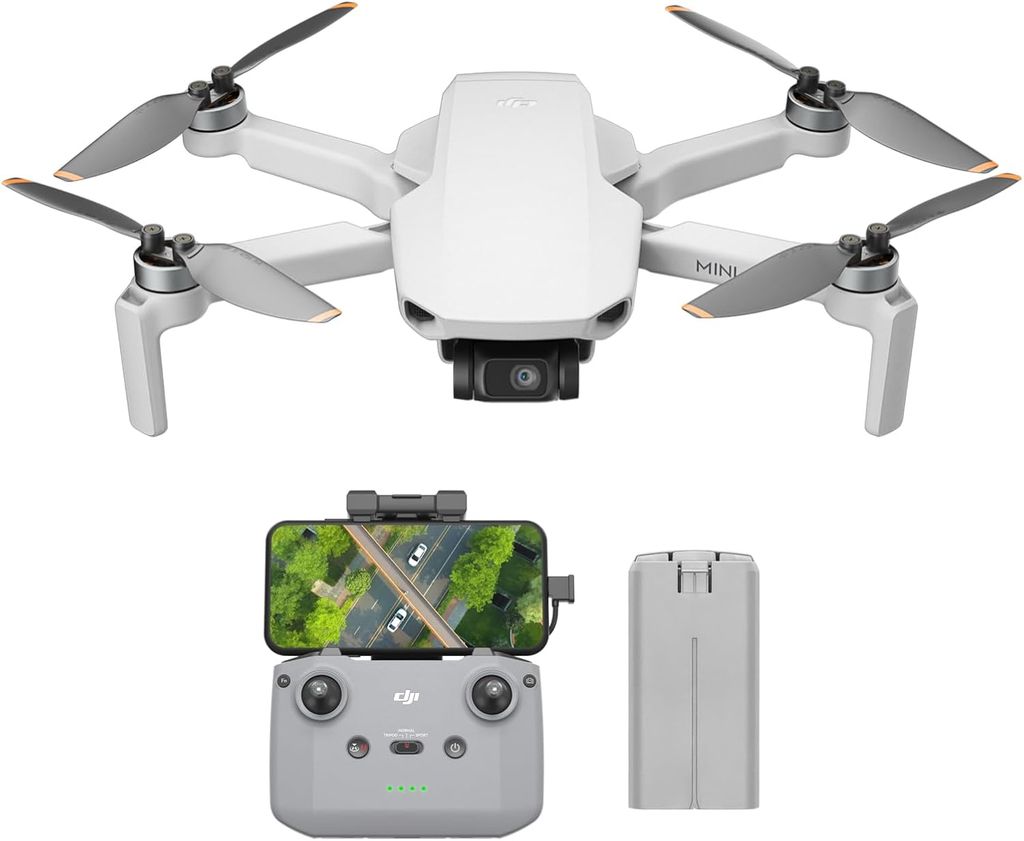
In the UK, drones under 250g sit in the lowest regulatory category. You still need to register as an operator and follow the rules, but you avoid the stricter limitations that apply to heavier aircraft. DJI have clearly engineered the Mini 4K right up to that ceiling. It matters more than people realise when they're buying.
What you're actually getting for £189
A 3-axis gimbal stabilising 4K video at 30fps, 10km transmission range (theoretical, and weather and interference will reduce that considerably in practice), and auto return home. The footage quality is solid for the price. Not cinematic, not competing with the Mini 4 Pro, but a clear step above phone video for landscapes and travel. The sensor is small, which means low-light performance is the obvious weak point of this entire segment, not just this model. Anything after golden hour and you'll be disappointed.
Where it earns its keep
Holiday trips. Property photos for a landlord or small estate agent who can't justify a professional shoot every time. Countryside walks where you want a shot you genuinely cannot get any other way. These are real use cases that justify the outlay. If you're shooting urban environments at dusk or trying to get broadcast-quality footage, this isn't the tool.
The honest bit
There's no listed was-price here, so you're paying full retail. At £189 it's still reasonable for what it does, but don't mistake it for a deal simply because it's the cheapest DJI with 4K in the name. The Mini 4 Pro does significantly more. The question is whether you need significantly more, and most beginners genuinely don't.